
 Link label


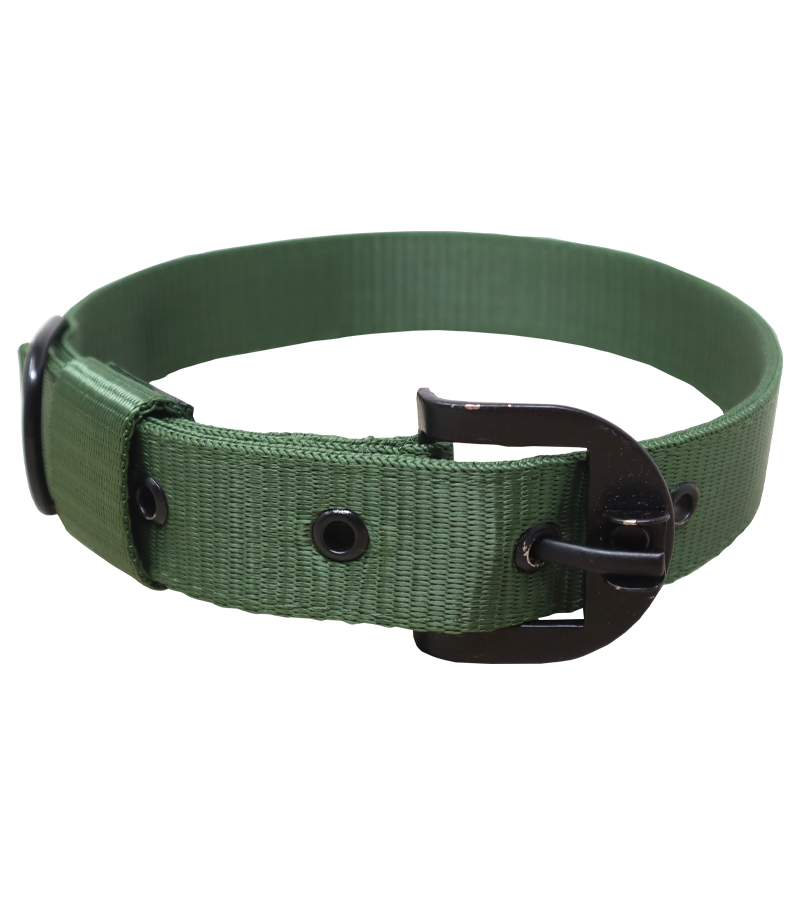
Ranch Nylon Collar For Dogs
Description
Description
About this item
- ✅ Premium Nylon Material – Tough, durable nylon construction that withstands pulling and everyday wear.
- 🐶 Comfort-Focused Design – Soft, smooth texture for a comfy fit around your dog’s neck – no irritation.
- 🔒 Secure & Adjustable Fit – Strong buckle and slider allow for easy size adjustments to suit large breeds.
- 🎨 Available in Two Bold Colours – Choose from classic Red or Black to match your pet’s style.


Paws & Play, Every Day
Because your pets deserve the best! Find fun, safe, and lovable products that bring
smiles to furry faces and peace of mind to you.


Support FAQs
Related To Pets
How often should I feed my dog?
Adult dogs are typically fed two meals a day (morning and evening). Puppies need more frequent feedings (3–4 times a day) since they have smaller stomachs and higher energy needs. . Use measured portions based on your dog’s size, age, and activity level to maintain a healthy weight. Always provide access to fresh water
How often should I feed my cat?
Most adult cats do well with two meals per day (for example, morning and evening). Kittens require more frequent feeding (about 3–4 small meals a day) to support their growth. Monitor your cat’s body condition and avoid overfeeding, as free-feeding can lead to obesity. Ensure clean, fresh water is available at all times.
How do I choose the right food for my cat or dog?
Select a species-appropriate, balanced diet that’s formulated for your pet’s life stage and size. For example, choose puppy or kitten food for growing pets, adult maintenance food for grown animals, and senior formulas for older pets. Look for labels that say “complete and balanced” (meeting AAFCO nutritional standards) to ensure the food has all necessary nutrients. Consider your pet’s individual needs (breed, activity level, any allergies or sensitive stomach issues) and ask your veterinarian for guidance if you’re unsure. Avoid switching foods abruptly and introduce new diets gradually to prevent stomach upset.
Can I give my pet human food or table scraps?
Be cautious with human foods, as many are unsafe for pets. Foods like chocolate, grapes/raisins, onions, garlic, and anything containing xylitol (a sweetener) are toxic to both dogs and cats. Fatty scraps or too much dairy can upset your pet’s digestion. If you want to share, offer only pet-safe options in moderation (for example, plain cooked lean meat or certain fruits/veggies like carrot or apple slices – without seeds or cores). In general, it’s best to use approved pet treats instead of table scraps, and always consult your vet if you’re unsure about a specific food.
Why is my dog barking excessively?
Dogs bark to communicate, but excessive barking may be due to boredom, anxiety, or territorial behavior. First, identify the trigger—lack of exercise, strangers, or seeking attention. Provide adequate daily exercise and mental stimulation. Avoid scolding, which can worsen barking. Instead, reward quiet behavior and teach commands like “quiet.” If the barking persists, consult a trainer or behaviorist for professional guidance and tailored solutions.

Happy Customer Say
-
My dog absolutely loves the Chicken & Rice blend! It’s...
Rob Doe

-
The Lamb & Sweet Potato formula is nutritious and my dog...
Oliver Smith

-
The Grain-Free Salmon recipe has been a game changer for my cat’s...
James Martin

-
This interactive cat teaser is my kitten’s favorite! Keeps her active and entertained for hours.
Maya Green

-
The orthopedic dog bed is so soft and supportive. My senior Labrador sleeps peacefully all night.
Daniel Cruz

-
These grain-free treats are healthy and my picky eater loves them. A guilt-free snack!
Sophie Adams


